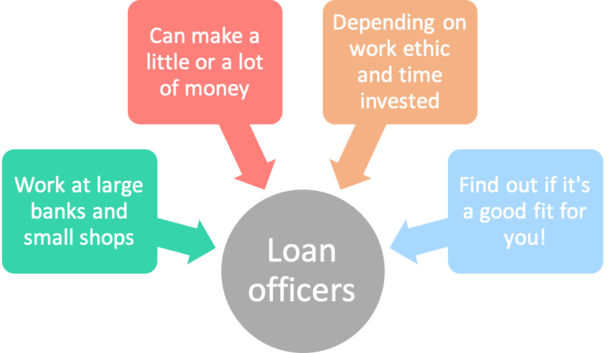
The typical origination feeone percent of the balance, can come to thousands of dollars. There may be risk-based surcharges for those with low credit scores, small down payments, or riskier properties like high-rise condos or manufactured homes. In addition, there are usually expenses for third party origginators like home appraisals, title insurance, escrow officers and home inspection. Banks, brokerages and non-bank originators implemented new procedures and hired more personnel to comply with new rules. Debra Still, President of Pulte Mortgage, claimed in a recent presentation that inthe average loan file had pages. Now, the average mortgage file book? By the end ofdealing with increased regulation, personnel costs, and loan buy-backs foreclosures. There is definitely money on the table when you shop for a home loan. Some receive a mortgqge salary, but most are paid on commission. Most mortgage loan professionals work how much money do mortgage loan originators make commission. That means they may spend hours to work through loan scenarios for you, help you improve your credit score, pull your needed documentation together, complete your application, order title reports and verify your employment, assets and other pertinent details.
Find the Right Fit
Find jobs Company reviews Find salaries. Upload your resume. Sign in. Mortgage loan originator Explore career information by location. Search Location. How much does a Mortgage Loan Originator make in Florida? Additional compensation. Retirement plan Health savings account Flexible schedule Gym membership Work from home View more benefits. Where can a Mortgage Loan Originator earn more? Compare salaries for Mortgage Loan Originators in different locations.
Education Requirements
Explore Mortgage Loan Originator openings Compare. Top companies for Mortgage Loan Originators in Florida. Hiring mortgage loan originator Nations Reliable Lending. Hiring mortgage loan originator American Financial Network, Inc. Hiring mortgage loan originator Randolph Savings Bank. Hiring mortgage loan originator Coast2Coast Mortgage. Highest paying nearby cities for Mortgage Loan Originators. Most common benefits for Mortgage Loan Originators.
Mortgage Lender Costs
We explore the reasons why loan officer commission is bad for consumers. Loan officers are the main point of contact for borrowers throughout the mortgage application process at almost every mortgage lender. Many banks pass this cost through to consumers by charging higher interest rates and origination fees. Instead, we pass on the savings to consumers via industry-leading rates, and we invest in technology to make the customer experience faster more transparent, and a whole lot better.

U.S. NEWS BEST JOBS
Mortgage loan originators, also known as loan officers, are responsible for making decisions about issuing mortgages to consumers. They typically have backgrounds in banking and business finance, and, depending on their employer, may take full responsibility for approving a mortgage loan from initial application to final approval and disbursement. The job requires careful attention to detail and a willingness to thoroughly investigate all information provided on applications. Most consumers don’t have enough cash on hand to purchase real estate outright. Most apply for a mortgage loan that will allow them to pay off the cost of their home over an extended period of time.
By Justin Pritchard. Mortgage officers must also obtain a license to practice. You may have numerous loan programs available to choose from, and a skilled originator will fit all of the puzzle pieces together to find the loan you need. Homebuyers should be sure to have lenders explain how paying discount points impact the interest rate on their mortgage. Mortgage brokers shop among numerous lenders instead of affiliating with any particular institution. A good loan originator should ask plenty of questions. This fee increases the overall interest rate paid on a mortgage and the total cost of the home. On a year loan, those insurance costs are significant. When homebuyers educate themselves on these methods, they may be able to save thousands of dollars on their mortgage. They may fund their own loans and use local branches and local underwriters, or they may operate entirely online. Because these closing costs may vary by lender, the fees are explained upfront in the Good Faith Estimate.

Where can a Mortgage Loan Originator earn more?
Mortgage lenders may get paid in multiple ways. When homebuyers educate themselves on these methods, they may be able to save thousands of dollars on their mortgage. Because lenders use their own funds when extending mortgages, they typically charge an origination fee of 0.
This fee increases the overall interest rate paid on a mortgage and the total cost of the home. The higher interest rate results in more of the homeowner’s money going toward the mortgage and significantly increase the overall cost of the loan.
Mortgage lenders use funds from their depositors or borrow money from larger banks at lower interest rates to extend loans. The difference between the interest rate that the lender charges homeowners for extending a mortgage and the rate the lender pays for replacing the money borrowed is the yield spread premium YSP.
Paying points upfront typically lowers monthly loan payments, which saves homeowners money over the life of the loan. The extent to which the interest rate is lowered depends on the chosen lender, type of mortgage and market conditions. Homebuyers should be sure to have lenders explain how paying discount points impact the interest rate on their mortgage. In addition to the loan origination fee, an application fee, processing fee, underwriting fee, loan lock fee, and other fees charged by lenders are paid during closing.
Because these closing costs may vary by lender, the fees are explained upfront in the Good Faith Estimate. Homebuyers should carefully read the list of fees and talk with the lender before deciding on a mortgage to determine whether the homebuyer may negotiate certain charges or save money by doing business with another lender.
After closing on different types of mortgages, lenders will group together loans of varying profit levels into mortgage-backed securities MBS and sell them for a profit. This frees up money for the lenders to extend additional mortgages and earn more income. Pension funds, insurance companies, and other institutional investors purchase the MBS for long-term income. Lenders may continue to earn revenue by servicing the loans contained in the MBS they sell.
If the MBS purchasers are unable to process mortgage payments and handle administrative tasks involved with loan servicingthe lenders may perform those tasks for a small percentage of the mortgage value or a predetermined fee. Because homebuyers face substantial expenses when securing a mortgage, it is important they understand how mortgage lenders get paid and make money. When a homebuyer educates themselves on the process, they are more likely to save thousands of dollars on their mortgage and feel more secure about the purchase.
Real Estate Investing. Home Ownership. Your Money. Personal Finance. Your Practice. Popular Courses. Home Ownership Mortgage. Key Takeaways Mortgage lenders can make money in a variety of ways, including origination fees, yield spread premiums, discount points, closing costs, mortgage-backed securities, and loan servicing.
Closing costs fees that lenders may make money from include application, processing, underwriting, loan lock, and other fees Yield spreads include the spread of the rate that a lender pays for money they borrow from larger banks and the rate they charge borrowers. Mortgage-backed securities allow lenders to profit by packaging and selling loans.
Lenders may also get money for servicing the loans they package and sell via MBS. Selling mortgage-backed securities can free up capital to make additional loans. Related Articles. Partner Links. A subprime lender is a credit provider that specializes in borrowers with low or «subprime» credit ratings. How the Primary Mortgage Market Works The primary mortgage market is the market where borrowers can obtain a mortgage loan from a primary lender such as a bank or community bank.
Origination Fees: Definition and Why They’re Charged An origination fee is an upfront fee charged by a lender for processing a new loan application. It acts as compensation for putting the loan in place. Closing Costs Definition Closing costs are the expenses, beyond the property cost, that buyers and sellers incur to finalize a real estate transaction.
Understanding Mortgage Rate Lock Deposits A mortgage rate lock deposit is defined as a fee a lender charges a borrower to lock in an interest rate for a certain time period, usually until the mortgage funds.
For You. Start Salary Survey. Salary Research. By Company. By Job Title.
Education Requirements
By Degree. By Certification. By Skill. By Industry.
Comments
Post a Comment